
Dental One Associates Logo
  • Pay my bill
  • Patient login
  • Blog
  • Contact
  • Careers
  • Emergencies
  • Locations
    • I have a dental issue
    • Emergency Dentist
    • General Dentistry Services
    • Oral Surgery
    • Periodontics
    • Root Canal and Endodontics
    • Tooth Extractions
    • I want to improve my smile
    • Braces
    • Cosmetic Dentistry Services
    • Dental Fillings Crowns Bridges
    • Dental Implants
    • Implant-Supported Dentures
    • Invisalign®
    • Porcelain Veneers
    • Teeth Whitening
    • I need a check up or cleaning
    • Childrens Dental Care
    • Dental Exams and Teeth Cleaning
    • Dental payment options
    • Dental insurance
    • Smile Alliance Club
    • Dental financing
    • Special offers
    • Medicare Advantage
    • Good faith estimate
    • About us
    • Patient information
    • Dental reviews
  • Book appointment

Home

Blog

Uncover the Truth About Root Canal Treatments

Uncover the Truth About Root Canal Treatment

March 24, 2022 By Dental One Associates of Georgia

Uncover the Truth About Root Canal Treatments

Root canals are very common endodontic procedures, but they've developed a stigma and many people are terrified by the thought of a root canal. They would do almost anything to avoid one. But is this reasonable? Is it true? If you need a root canal, the following may help you better understand the procedure.

What Are the Reasons for Needing Root Canal Treatment?

Although root canals are associated with considerable pain, they are, in fact, often less painful than the decay or damage that's causing the current pain. Particularly with advances in pain management in the dental field, the root canal procedure is often relatively painless and it can sometimes be the only method for saving a tooth. You may need to get a root canal due to decay that can not be repaired or fixed with a cavity or trauma to the tooth that has caused significant damage to the pulp of the tooth. The reasons for needing a root cana are varied, but most revolve around decay, trauma, or infection.

What Are the Top Ten Questions About Root Canals?

Before embarking on a root canal, it's important that you're comfortable with the procedure. If your dentist recommends a root canal, be sure to ask the following questions:

  1. Am I a good candidate for a root canal? If not, what are my alternatives?
  2. Will there be pain during or after the procedure?
  3. Is a root canal the best way to treat this problem?
  4. What's involved in the root canal procedure?
  5. How long will the entire process take from start to finish?
  6. What type of anesthesia do you recommend and why?
  7. Are there any risks I should know about?
  8. What's the cost of the root canal?
  9. Will my insurance cover the cost?
  10. Will my tooth be as strong after the procedure as it was before?

For questions about your insurance coverage, your insurance provider is probably the best source of information. It might be prudent to talk to your provider before your dental appointment to determine the extent of your coverage and any limitations or exclusions. If you need financial assistance for your root canal, many dental offices have programs that can help you.

What Are the Warning Signs That I Need a Root Canal?

Your body may be signaling that it has a problem and that you need a root canal. Although severe tooth pain may indicate the need for a root canal, there are other issues that can indicate the need for immediate action. The following signs are very serious, so if you have one or more of any of them, be sure to contact your dentist immediately:

  1. Discolored teeth
  2. Inflamed, red, or swollen gums
  3. Persistent or severe dental pain
  4. Small bump on the gums by a painful tooth
  5. Temperature sensitivity that lingers
  6. Sore teeth and gums
  7. Severe decay

The presence of any of these symptoms indicate that you need an appointment with your affordable dentist to determine if you need a root canal or another dental procedure.

What's the Root Canal Procedure?

If your dentist has recommended a root canal, you're probably apprehensive about what the procedure entails. The following guidelines may help you better understand the root canal procedure:

  • Detection: The need for a root canal starts when your tooth pulp becomes damaged or infected. Usually, you'll notice pain, redness, or swelling. If you have any of these, then make an appointment with your dentist because a root canal may be the only way to salvage your tooth, and the tooth won't heal without professional intervention.
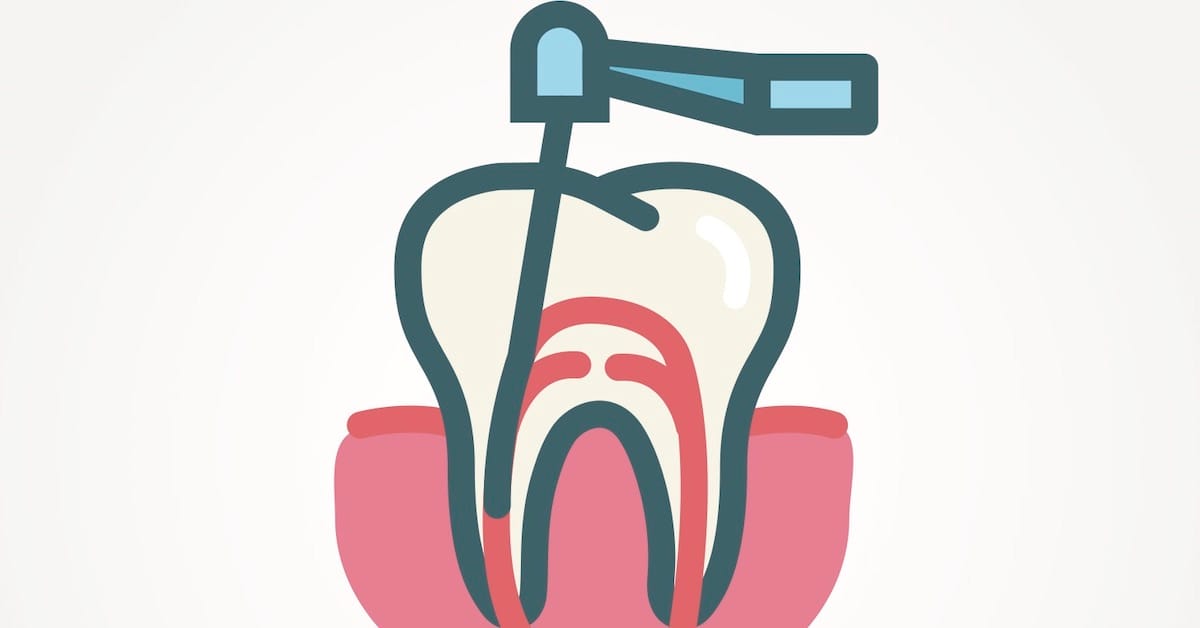
  • Beginning The Procedure: If your dentist's exam reveals a damaged or infected tooth that can't be repaired, then you may need a root canal. Usually, a root canal is painless and will alleviate your pain. Your dentist will first numb the area and then drill a hole in the tooth so they can access the pulp inside the tooth.
  • Removing The Root: Once your dentist has access to the interior of your tooth, they'll remove the pulp and clean the interior of the tooth.
  • Filling The Canals: When the canals have been cleaned and disinfected, they'll be filled with a permanent filling material.
  • Restoration: After the canals have been filled, your dentist will seal the access hole with a temporary filling.
  • The Crown: Your dentist will order a permanent crown for your tooth. When they receive it, you'll return, and they'll permanently affix the crown to your tooth with special cement.

This is the end of the root canal procedure, and your tooth should function like the rest of your natural teeth. If you have problems, questions, or concerns, don't hesitate to contact your dentist's office.

Are There Dos And Don'ts After a Root Canal?

There are methods for expediting healing after a root canal, and the following may help you heal at home:

Aftercare Instructions

Your dentist will provide you with aftercare instructions, and you'll heal more quickly if you follow them precisely. If you have any concerns, questions, severe pain, or adverse reactions, be sure to call your dentist right away.

Aftercare Instructions for Home

Everyone's needs are unique to them, but for best results, adhere to the following guidelines:

  • Avoid eating anything until your numbness dissipates. Otherwise, you can bite your tongue or cheek.
  • Avoid biting or chewing in the area of the treated tooth until it's completely healed.
  • Follow your medication instructions precisely.
  • Brush and floss as you normally would, but avoid the area around the treated tooth until it has healed completely.
  • If you experience an allergic reaction, nausea, pain, swelling, or other symptoms, call your dentist without delay.

Follow-up Care With Your Dentist

A root canal is the first step to restoring health to your tooth. You'll need the permanent crown installed in order to complete the long-term protection of the root canal procedure. Immediately after your root canal has been completed, make an appointment for the installation of the permanent crown and be sure to maintain a regimen of good oral hygiene once your site has healed.


Recent articles

tooth extraction with dentist Everything You Need to Know About Tooth Extractions
tooth sensitivity Tooth Sensitivity in Georgia
stress affects your oral health Stress and Oral Health

Book your appointment today.

Book appointment
Dental One Associates Logo
  • Dental One Associates at Eagles Landing
  • Dental One Associates of College Park
  • Dental One Associates of Fayetteville
  • Dental One Associates of Marietta
  • Drs. Grant and Conger (Affiliated Practice)
  • Braces
  • Childrens Dental Care
  • Cosmetic Dentistry Services
  • Dental Exams and Teeth Cleaning
  • Dental Fillings Crowns Bridges
  • Dental Implants
  • Emergency Dentist
  • General Dentistry Services
  • Implant-Supported Dentures
  • Invisalign®
  • Oral Surgery
  • Periodontics
  • Porcelain Veneers
  • Root Canal and Endodontics
  • Teeth Whitening
  • Tooth Extractions
  • Find a dentist near you
  • Privacy policy
  • Notice of Privacy Practices
  • Site map

© 2026 Dental One Associates of Georgia. All rights reserved. The above-listed practice complies with applicable Federal civil rights laws and does not discriminate on the basis of race, color, national origin, age, disability, or sex. Notice of non‑discrimination.

(770) 502-6080
(770) 502-6088
(770) 502-6078
(770) 502-6087
(706) 395-5579